
Two 4 4 seven. When Heuer launched the primary Carrera in 1963, it gave its new racing chronograph an easy-to-remember four-digit reference quantity. The Carrera 2447 joined good firm in the marketplace, discovering competitors with the four-digit Omega Speedmaster 2998 (simplified – we’ll get to that) and Rolex Daytona 6239.
Quick ahead to this 12 months: TAG Heuer launched the brand new Carrera “Glassbox,” reference quantity CBS2210.FC6534. That’s 13 characters, in comparison with the straightforward four-digit reference numbers from the Sixties. And TAG Heuer is much from alone: fashionable Omega’s reference system is notoriously lengthy with 14 digits. Breitling makes use of a 12-character system. Whereas we generally use six digits to discuss with Rolex fashions, the complete reference is longer: the metal Submariner Date is ref. M126610LN-0001. Identical for Patek Philippe – whereas it’s one of many few manufacturers that has caught to a four-digit base reference, its full references are longer. The brand new white gold Nautilus is reference 5811/1G-001. Is your head spinning with numbers but?
Over the previous few many years, reference numbers have developed from a number of easy-to-remember digits to lengthy and complex strings that even Raymond Babbitt would wrestle to recall. The way it occurred is a narrative of people, computer systems, and the way they work together with one another.
All the pieces In Its Proper Place

6239 and 2447: Simply two examples of the brief reference numbers of the mid-Twentieth century.
To inform the story of reference numbers is to inform the story of the wristwatch. After the wristwatch picked up in reputation with troopers throughout World Struggle I, producers started to give attention to manufacturing at scale.
“In 1923, Patek Philippe dedicated itself to the wristwatch,” Dr. Peter Friess writes within the new e-book Treasures From The Patek Philippe Museum Assortment. “Briefly order, that turned the spine of its enterprise.” At first, these wristwatches had been one-off or customized creations that usually seemed loads just like the pocket watches from which they developed. However quickly, wristwatches took on their very own aesthetic, with their very own technical improvements to unravel new issues offered by wrist-borne timekeepers.
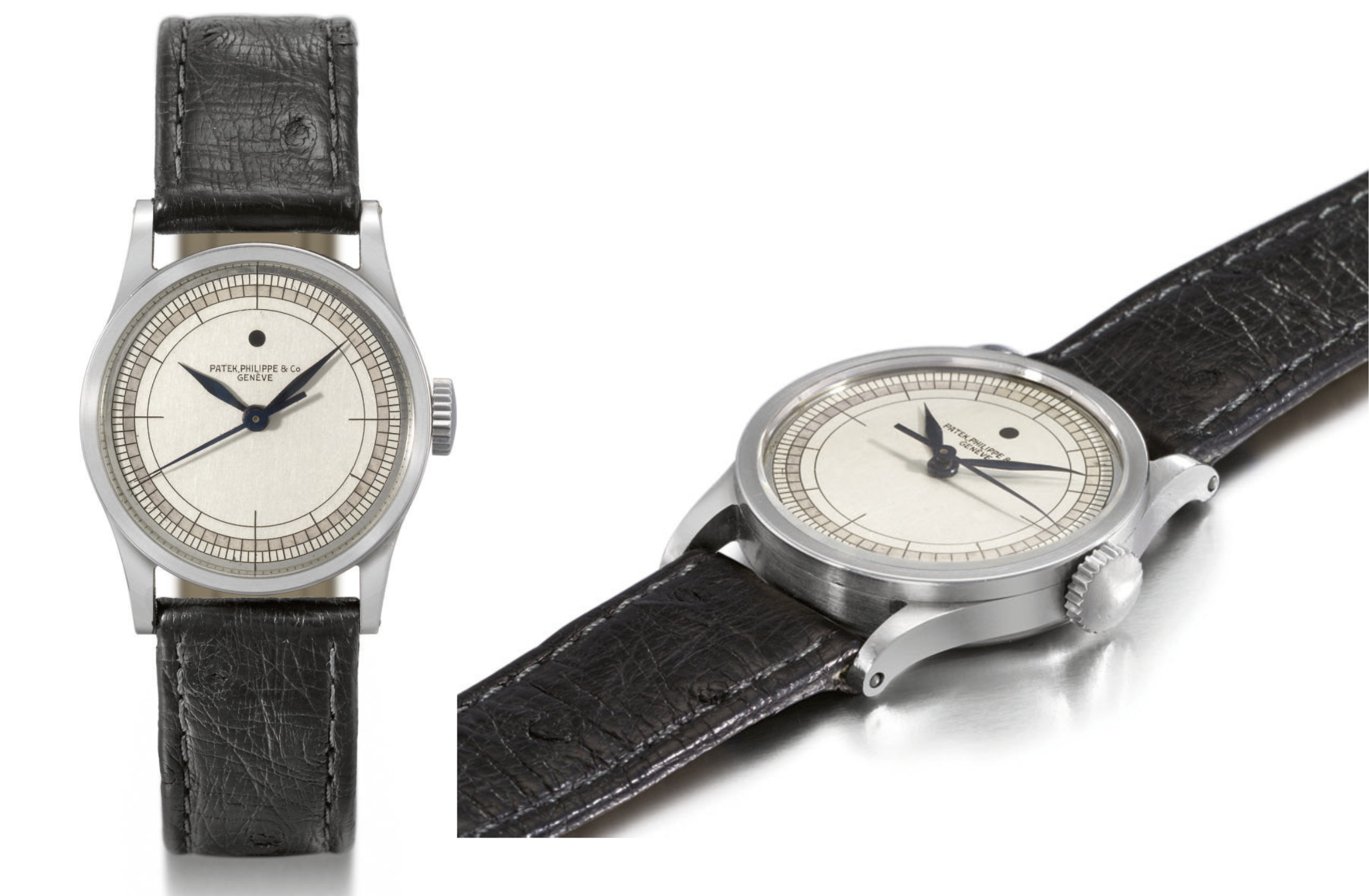
The legendary Patek Philippe ref. 96 “Maragraf” – nonetheless a ref. 96, even when the dial is exclusive. Picture: Courtesy of Christie’s
For Patek, this started with its first serially produced and numbered wristwatch, the Calatrava Reference 96. Simply two digits, the reference quantity was easy and clear, an train in branding as a lot as anything. As serialized manufacturing of wristwatches with interchangeable elements turned commonplace in Switzerland, individuals wanted a fast and straightforward option to refer to those merchandise when speaking with one another, throughout departments, or with suppliers. Enter the reference quantity.
Different watch manufacturers began with equally brief reference numbers: Rolex, Omega, and Heuer all used four-digit reference numbers, and plenty of different producers settled on three or 4 digit references by means of the ’60s. There was some inner logic to every producer’s system, even when a bit haphazard.
Each model tried to have logic of their numbering system however failed miserably.
– FRED MANDELBAUM, BREITLING COLLECTOR AND HISTORIAN
For instance, classic Heuer’s four-digit reference numbers labored as follows:
- First two digits: caliber
- Third digit: assortment
- Fourth digit: case steel
To take the automated Carrera 1158 for example: 11 stood for the automated caliber 11; 5 represented the Carrera assortment, and eight indicated a gold case. Letters might then be added to the suffix to signify the dial; for instance, essentially the most recognizable is the 1158CHN, which stood for the champagne dial and black (noir) subdials.
Like Heuer, many numbering techniques from this period had been formulated to shortly talk the case materials, caliber, and complication: Common Geneve, Omega, and Breitling, amongst many others, applied comparable techniques. Generally an extra character could be added after a interval or a slash to speak extra info.
As soon as you understand any given producer’s system, these reference numbers are “human readable,” a straightforward means for individuals to acknowledge and catalog merchandise. For instance, should you’re a Heuer worker, all you must do is search for an N or S within the reference quantity and also you’ll know whether or not it’s a black or silver dial, respectively. This mirrored the truth that, whereas the Swiss watchmaking trade had industrialized and started to make use of fashionable equipment, evolving from an trade of craftspeople producing watch elements by hand, people nonetheless performed an essential position in working equipment, monitoring elements and stock, and coordinating the overall enterprise of producing. A 3- or four-digit reference quantity might not say all the pieces you must find out about a watch (is that on a strap or a bracelet?) however it’s shut sufficient, and with human arms coordinating the complete effort anyway, there was room to determine the remaining alongside the way in which.
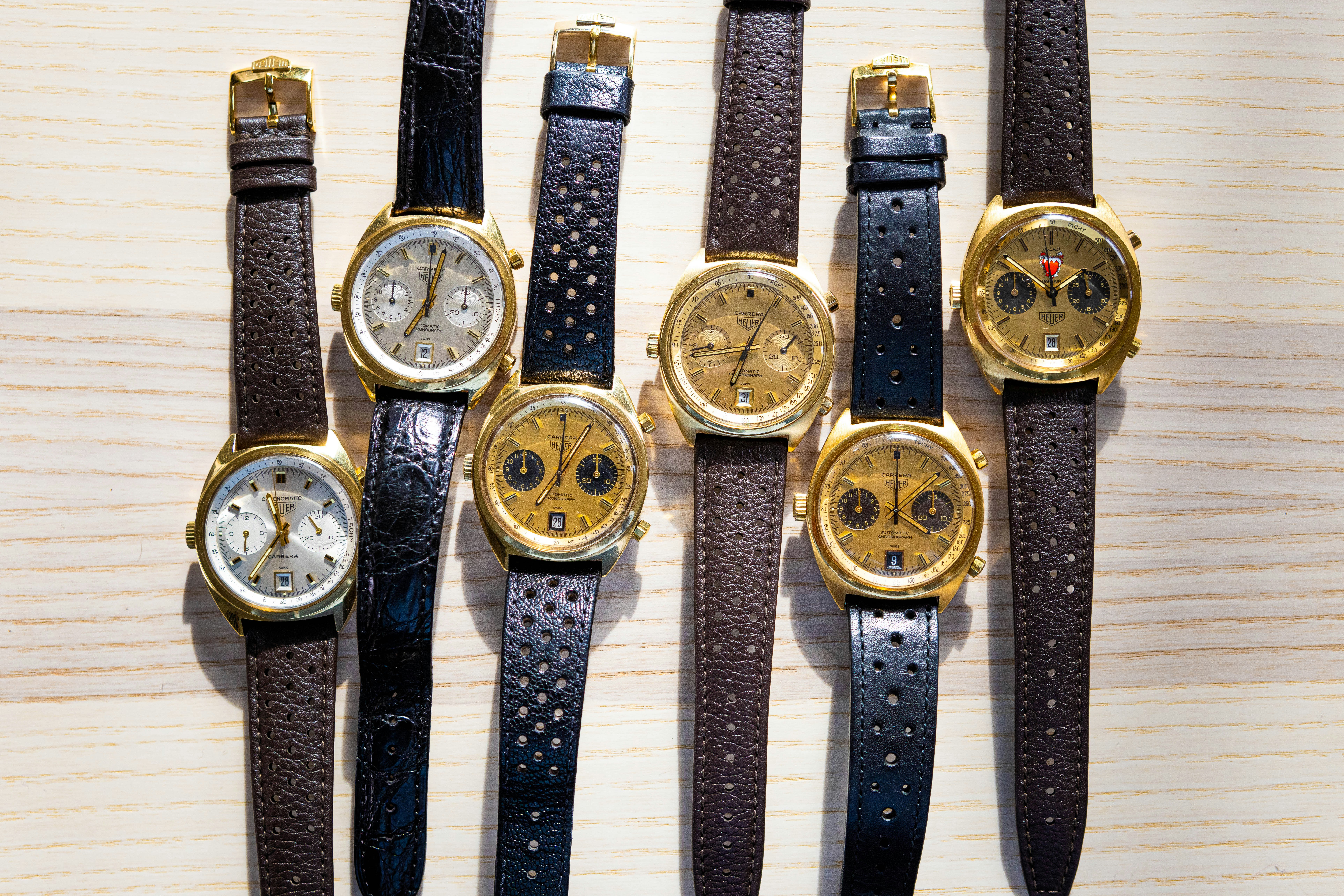
A set of classic Heuer ref. 1158s; the dials may be shortly recognized primarily based on an alphabetical suffix added to the reference quantity.
“It’s additionally attainable suppliers had been driving many of those conventions on the time,” says Nicholas Biebuyck, Heritage Director of TAG Heuer. Keep in mind that by means of the center of the Twentieth century, many manufacturers had been counting on the identical few key suppliers: Singer or Stern for dials, EPSA or Spillman for instances, and so forth. Throughout producers, reference numbers took on an analogous format to speak the identical info. And typically, the identical numbers even meant the identical factor; for instance, “8” was used to signify gold instances by each Heuer and Rolex throughout that point (take that gold Carrera 1158 and the gold Submariner 16808 or GMT-Grasp 16758, for instance). As we’ll see, within the ’70s quite a few manufacturers even adopted reference numbers with an analogous format. It appears believable that producers would have references motivated by a necessity to speak with their many suppliers shortly and simply.
In the meantime, there’s some proof that worldwide distributors hated the inconsistent and sometimes illogical numbering techniques of their Swiss overlords.
“Not one of the distributors adhered to the Breitling producer’s numbering system,” says Breitling historian and collector Fred Mandelbaum. “Breitling USA – the model’s most essential distributor on the planet – referred to as the Navitimer 806 the 9113, whereas the U.Okay. had their very own four-digit system.” He defined that each native Breitling distributor had its personal resolution for numbering fashions and stock.
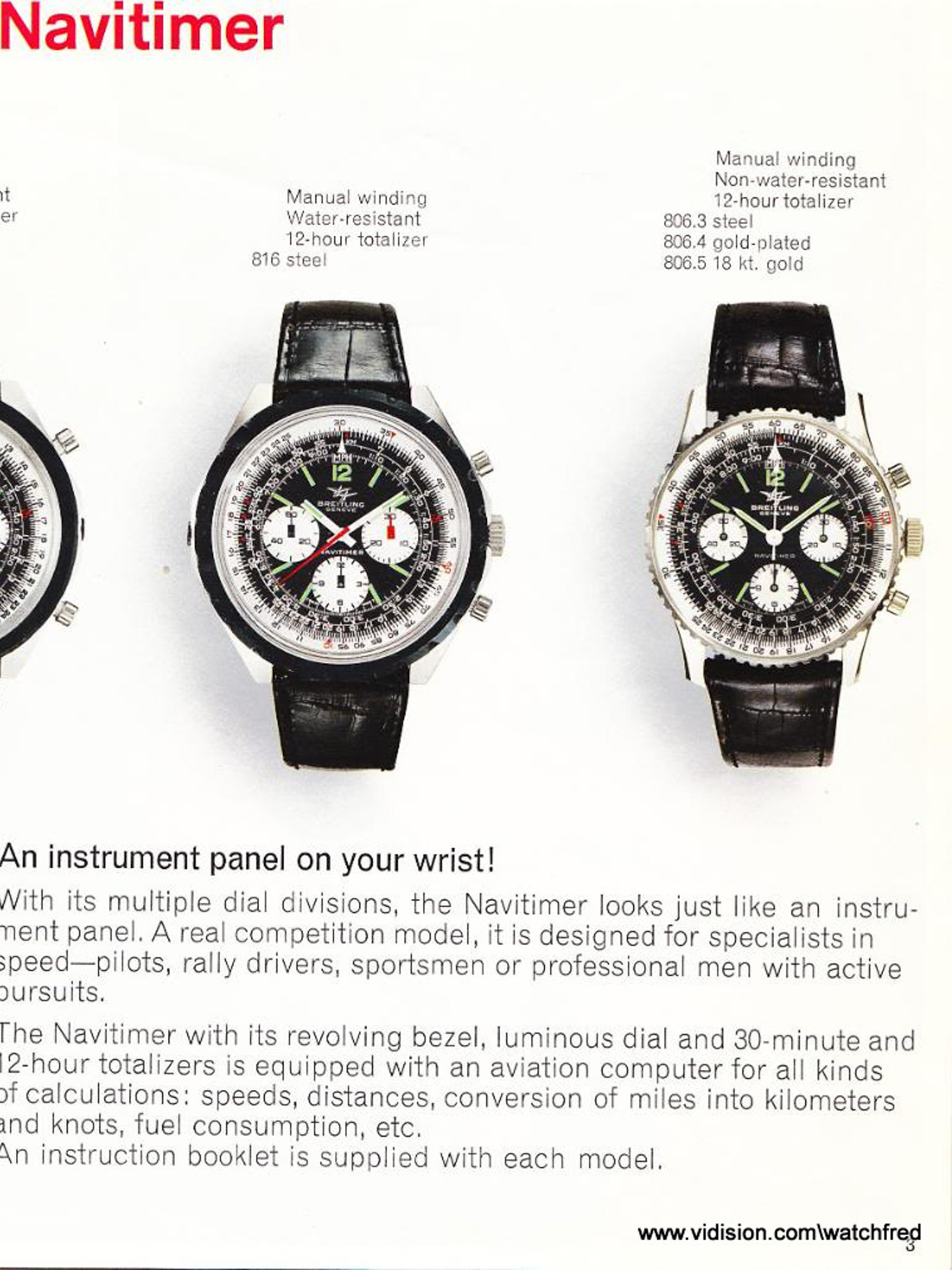
Two classic Breitling catalogs: In Switzerland, the Navitimer was reference 806.
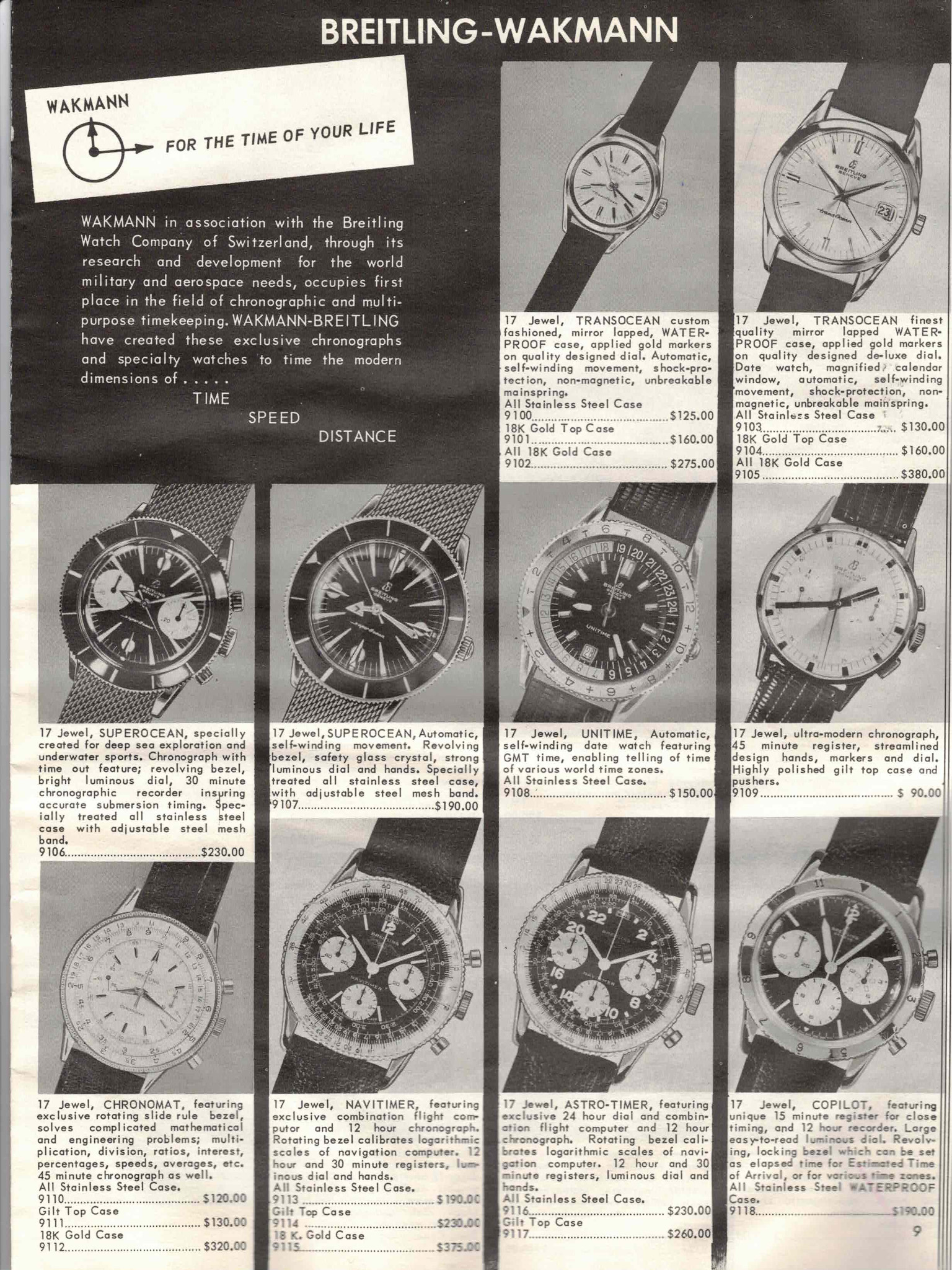
In the meantime, the U.S. distributor developed its personal numbering system with out concern for the Swiss conference – the Navitimer is ref. 9113.
“Each model tried to have logic of their numbering system however failed miserably,” Mandelbaum continued. “It simply represents the full absurdity of the Swiss making an attempt to provide you with a numbering system.” For instance, should you opened a Rolex catalog within the mid-’60s, you can’ve discovered the next references listed subsequent to one another:
- 1002 – Oyster Perpetual
- 1003 – Oyster Perpetual with engine-turned bezel
- 1012 – Gold Oyster Perpetual
- 1013 – Gold Oyster Perpetual with engine-turned bezel
- 1016 – Explorer
- 1018 – 36mm Oyster Perpetual
- 1019 – Milgauss
- 1024 – Gold-plated Oyster Perpetual
Among the numbering logic turns into clear (the final digit representing the bezel kind, for instance), however assigning references to any given mannequin jumps round. That is the way it was with most manufacturers by means of the Sixties.
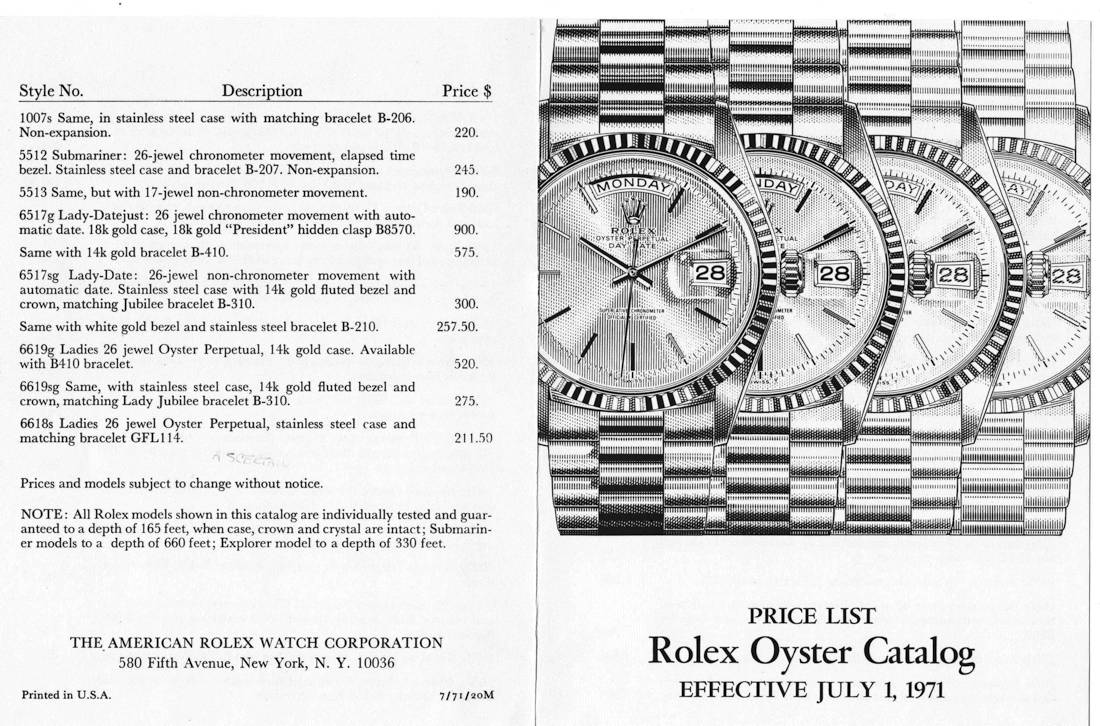
A Nineteen Seventies Rolex catalog, initially revealed on Rolex Boards.
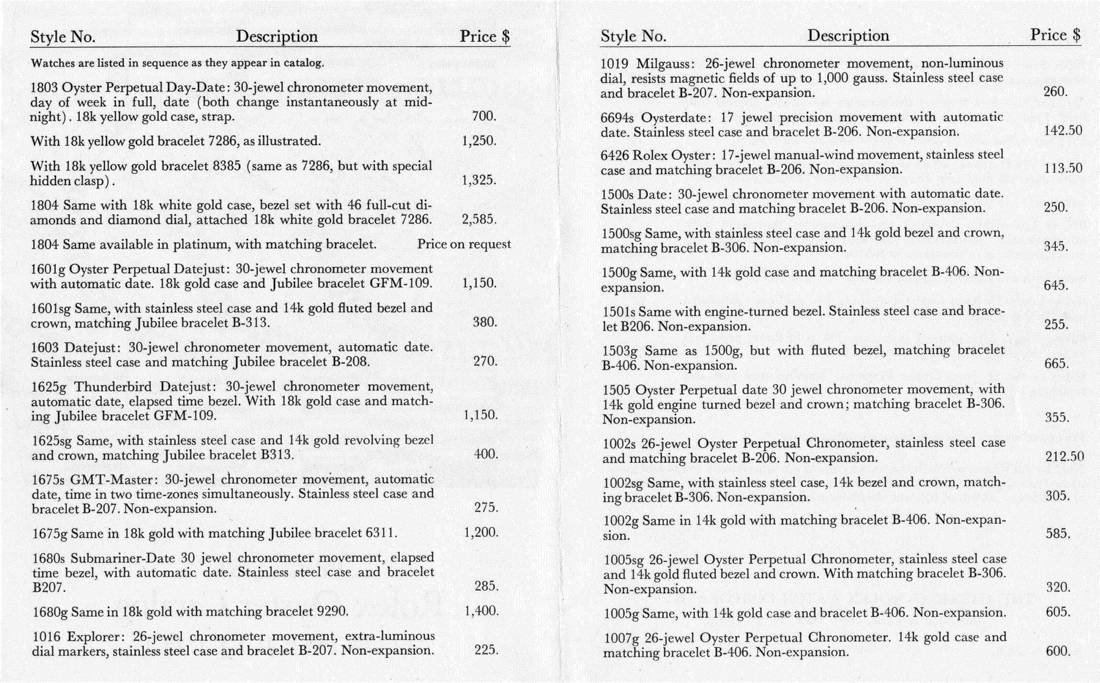
OK Laptop
Omega was one of many first to undertake a brand new numbering system in 1962 when it switched to an eight-character alphanumeric system with out altering its watches. For instance, the identical Speedmaster CK 2998-62 turned the ST 105.002. Omega declined to remark for this text, however the logic of the reference techniques it’s used through the years is effectively documented.
“In 1962, a brand new system of reference numbers, referred to as MAPICS was launched to categorise merchandise into teams,” explains Moonwatch Solely, the Speedmaster tome. In line with Moonwatch Solely, Omega’s MAPICS system continued to develop after it was launched, which makes it troublesome to determine a reference desk that’s 100% correct.
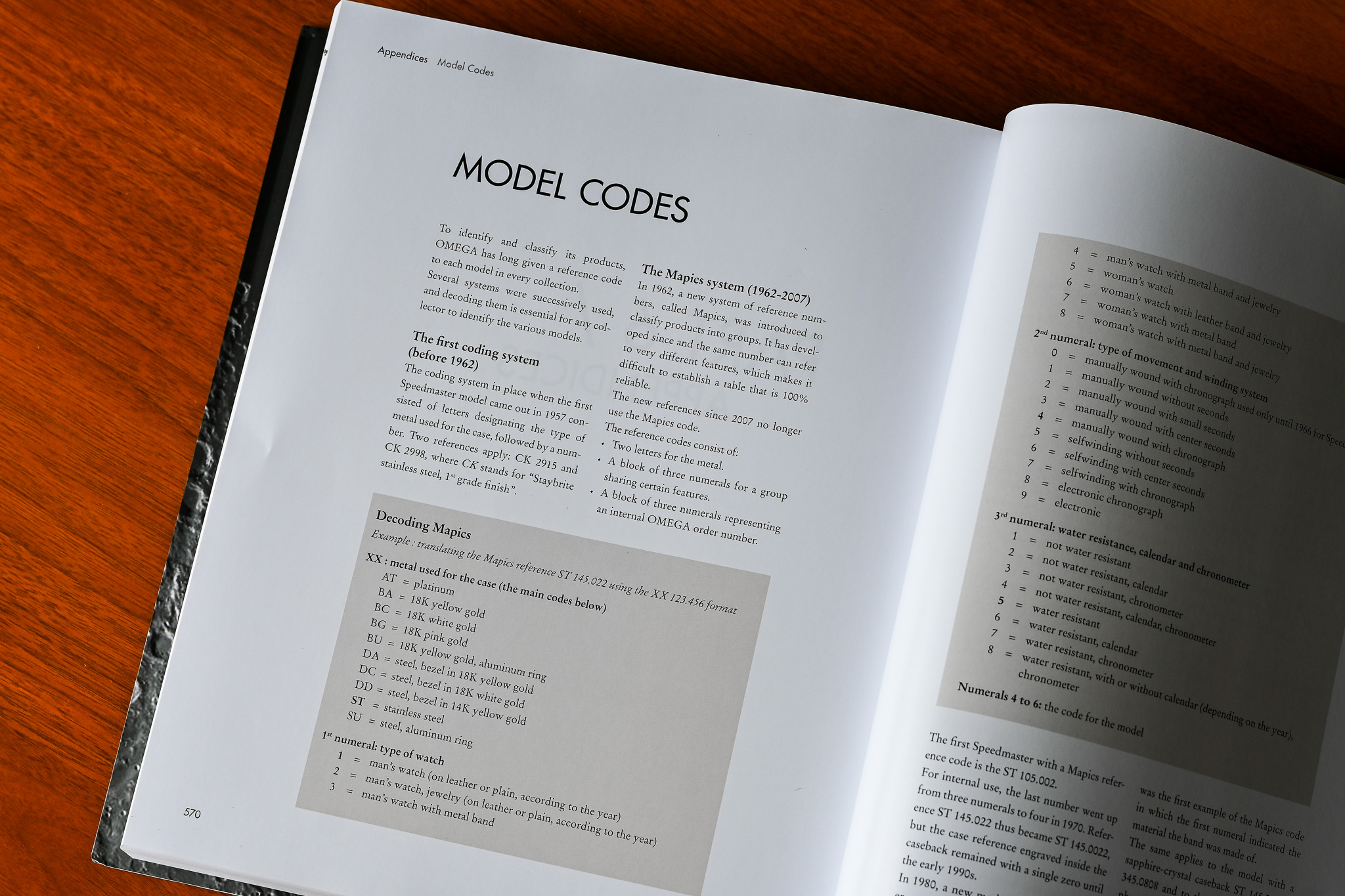
Moonwatch Solely, gives the historical past of Omega transitioning from its first coding system to the extra fashionable MAPICS system.
By the ’70s, many manufacturers began following Omega, pondering higher of their reference techniques and implementing new ones. Mandelbaum stated that Breitling, which was utilizing three-digit references, was merely working out of fine reference numbers and moved to a four-digit system. Within the late ’70s, Rolex started altering from four-digit to five-digit reference numbers. Just like the techniques of different manufacturers, these easy digits communicated the mannequin, bezel kind, and case steel.
To grasp why this modification began to happen when it did, it’s essential to zoom out and bear in mind what was occurring within the enterprise world exterior of the watch trade starting within the early ’60s. To say it in three letters: IBM. After World Struggle II, IBM was completely cranking on pc expertise, and savvy industrialists began exploring purposes for the pc within the enterprise world. One such utility was provide chain administration. IBM helped to develop the primary MRP system (materials useful resource planning, the precursor to the trendy ERP) in 1960. Quickly after, IBM launched its first database system for industrial use.
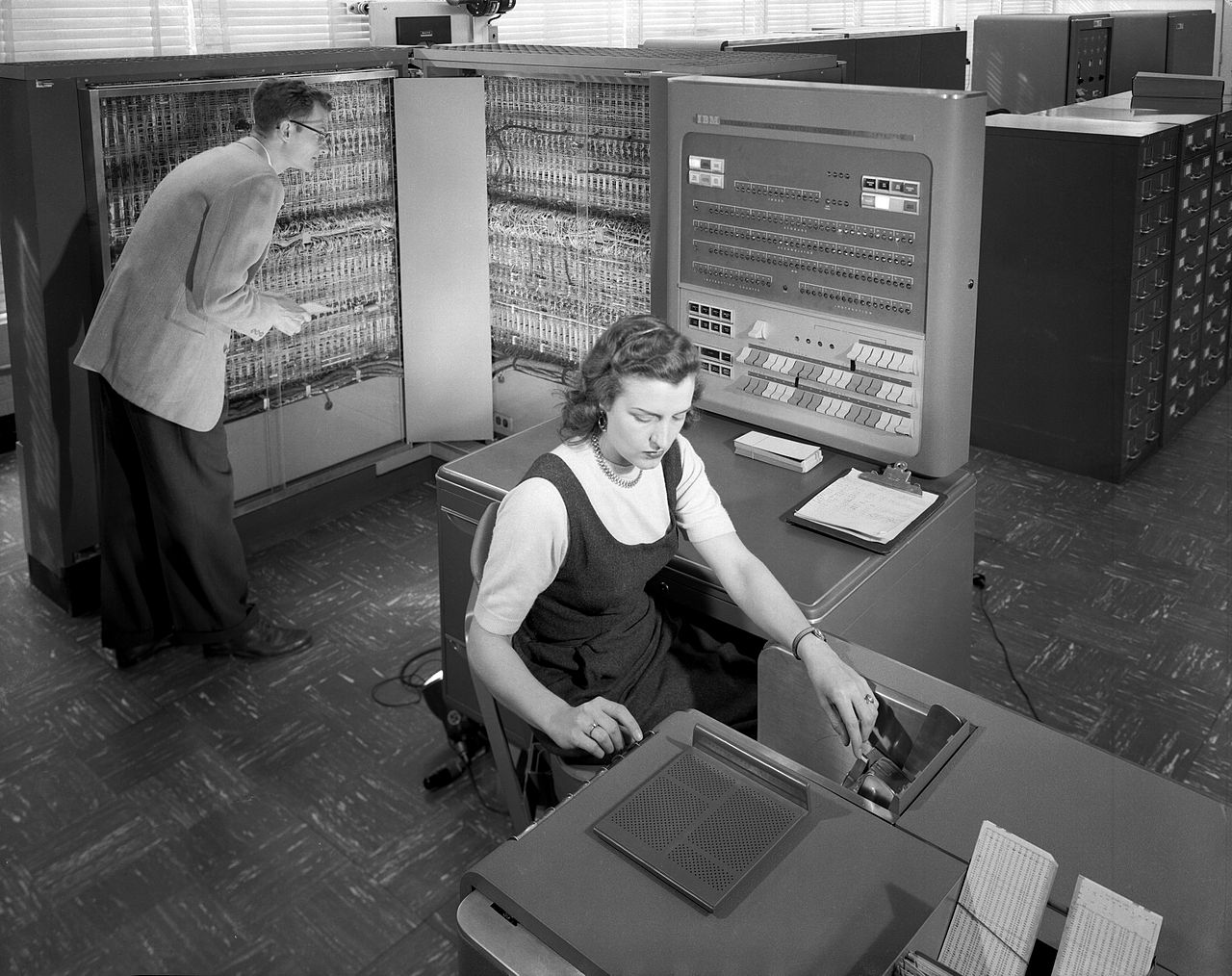
A take a look at an IBM mainframe on the Nationwide Advisory Committee for Aeronautics within the late ’50s. Picture: Wikimedia Commons
By 1972, a bunch of ex-IBM staff based SAP, at this time the world’s largest ERP software program supplier. Since then, its software program has grown more and more sturdy, however each extra function additionally provides one other layer of complexity (beginning to sound like reference numbers but?), confounding generations of analysts and consultants. (For a short and finally unsuccessful tenure, I used to be considered one of these confounded consultants engaged on initiatives with cryptic titles like “techniques integration.”)

An SAP screengrab; appears sophisticated.
Like each enterprise, the watch trade began adapting to the arrival of computer systems.
As computer systems and enterprise software program turned extra broadly used, reference numbers weren’t only a means for people to grasp and talk with one another about merchandise – they had been a means for people to speak with computer systems about supplies and stock. The reference quantity developed from a shorthand used on an bill or a cellphone name with a provider to turning into a line of code in a database that represented one thing extra particular.
“Immediately, each model has grasp useful resource planning, and in terms of determining reference numbers, it comes right down to what’s straightforward and versatile for the software program,” TAG Heuer’s Biebuyk stated. This transition started within the ’60s and ’70s as producers started to make use of rudimentary computer systems and database techniques. Reference numbers developed from one thing developed with the illogical logic of people to the irrefutable logic of computer systems, formulated in a means that made it straightforward for computer systems and databases to grasp. People got here second.
Jigsaw Falling Into Place
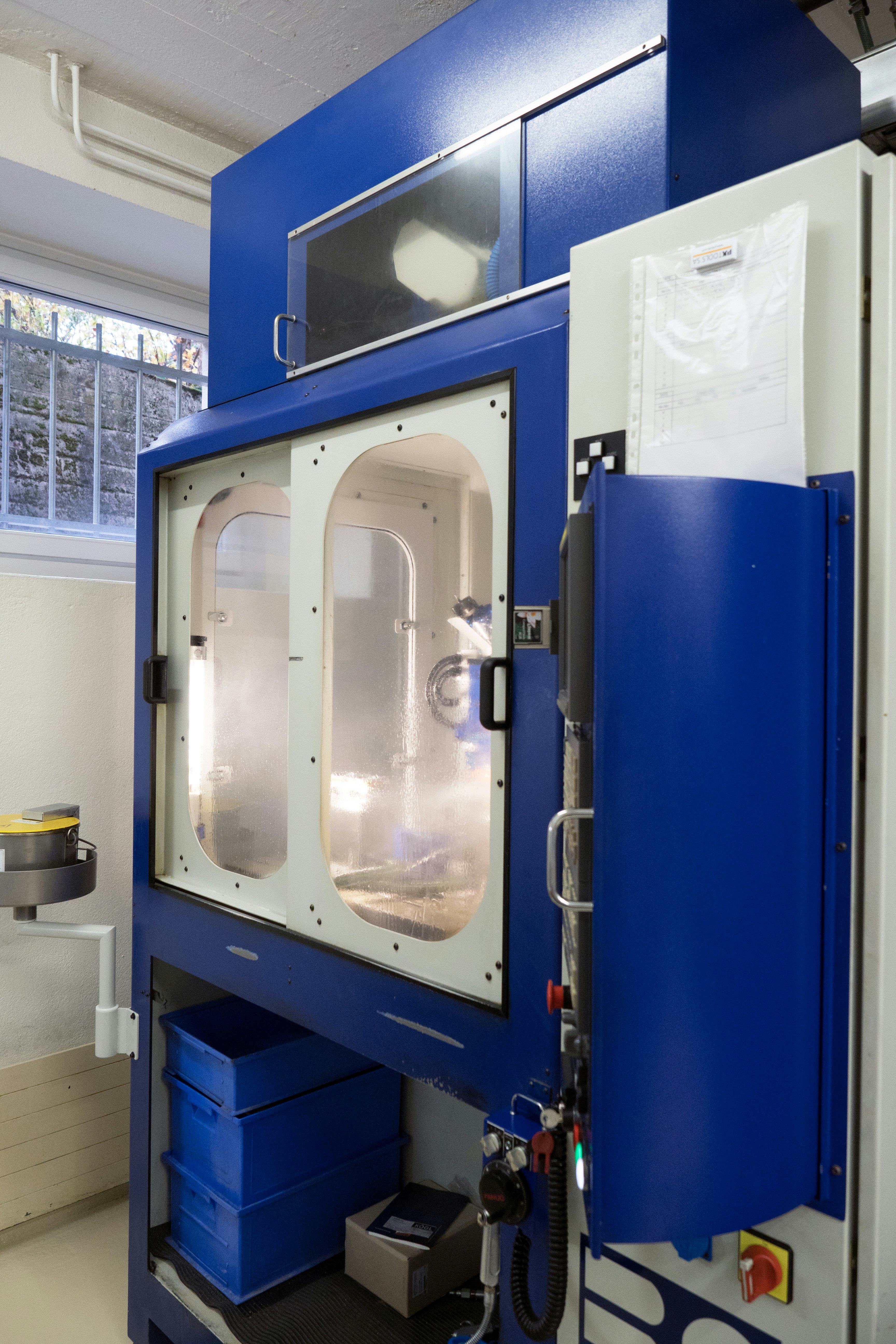
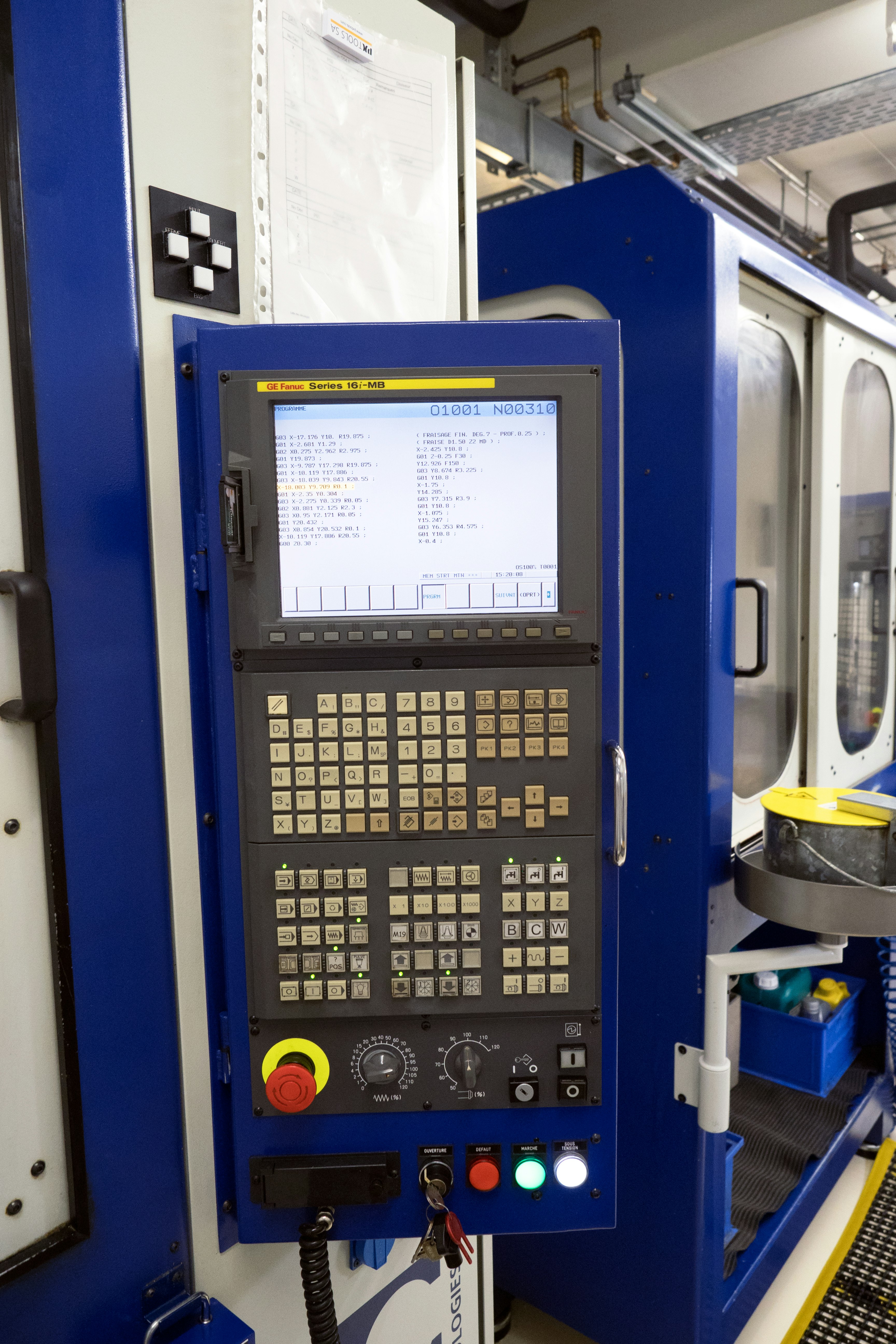
CNC machine at Montblanc Minerva in Villeret.
By means of the ’70s and ’80s, most watch manufacturers marched in direction of longer reference numbers as enterprise software program and database techniques turned extra sturdy, dealing with extra knowledge and coordinating extra processes. Like Omega, Heuer went from 4 to 5 digits, then launched an analogous six-digit system with the format XXX.YYZ, the place XXX signifies the motion, YY signifies the case or mannequin, and Z signifies the case materials. Once more, letters may very well be added to the suffix to speak extra details about the dial.
In 1988, Omega modified to its PIC system (product identification code), an eight-digit numbering system that added to the earlier MAPICS system by coding the dial colour and band materials. Round 1990, Breitling switched to a 12-digit numbering system that offers COSC and caliber identification, case end, in addition to dial colour and design.
All through the mid-’80s and early-’90s, using computer systems turned widespread in all elements of watchmaking and different industries. When I spoke with designer Marc Newson about Ikepod watches, he famous the mid-’80s because the time when he first discovered CNC (pc numerically managed) machining, the automated management of machining instruments with a pc that enabled large features in productiveness and accuracy. CNC, for instance, enabled Newson to design the rubber straps that might go on for use with the Apple Watch some 30 years later.
Equally, collector John Goldberger has pinpointed 1985 or 1986 as the start of contemporary watchmaking, when “the pc had actually taken over a big a part of the manufacturing course of.” Fewer manufacturers targeted available ending of instances and actions and automatic these processes to extend the variety of watches produced.
It’s no coincidence that that is additionally the time when MRPs developed into ERPs – the time period ERP was coined in 1990. Whereas these early MRPs targeted solely on the coordination of producing actions, ERPs built-in all departments throughout a company. By now, you most likely know what meaning: Longer reference numbers. By the ’90s, it wasn’t simply the manufacturing elements of the enterprise speaking with one another; they had been additionally speaking with gross sales, advertising and marketing, accounting, and all the different departments of a company.
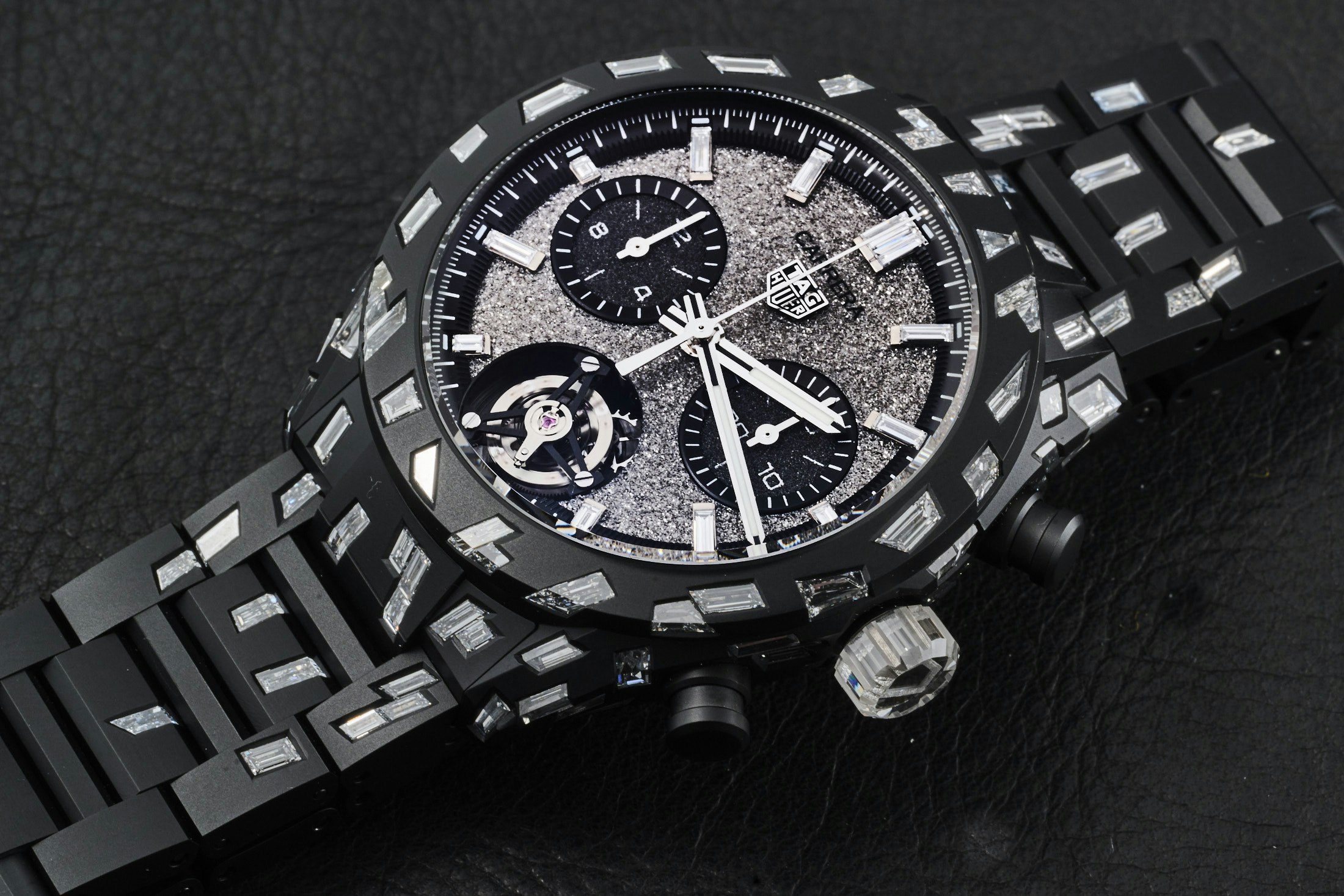
The TAG Heuer Plasma Tourbillon
“With SAP’s ERP, there’s a have to codify each single element of a watch,” TAG Heuer’s Biebuyk stated. “Take the Carrera Plasma – each single diamond on that watch has a person half quantity.” With out such a grasp planning, it’d be unimaginable to coordinate the handfuls of departments and disparate actions throughout a big producer like TAG Heuer. Lengthy gone are the times of phoning up Jean-Claude down within the instances division to ask the place all of the casebacks for the 1158s are.
“It’s not individuals differentiating whether or not a white or a black dial ought to go inside a field,” Breitling’s Mandelbaum stated. “It transitioned to computerized stock-keeping, so we would have liked a exact numbering system for this.”
How To Disappear Fully

The brand new TAG Heuer ref. CBS2212.FC6535; or, perhaps we’ll simply name it the Carrera Glassbox blue dial.
In 2007, Omega up to date its references to the present 14-digit PIC system that fans like to detest. Nevertheless it’s removed from alone: Oris and TAG Heuer use 13 characters; Breitling makes use of 12. IWC and Cartier use a seemingly wise eight. Whereas we all know the five-digit shorthand for a number of of the preferred Audemars Piguet references (or perhaps it’s simply the 16202), its reference numbers may truly be the longest at 17 characters.
It’s straightforward to really feel a bit nostalgic for the times of shorter reference numbers. Immediately, classic Rolex collectors can shout four-digit sequences backwards and forwards at one another in what sounds a bit like talking in tongues to the uninitiated. These days, nobody is aware of the trendy reference variety of a Carrera or Navitimer; even the bottom six-digit Rolex references may be troublesome to recollect.
“At 5 digits, we cease remembering mannequin numbers,” Mandelbaum stated. “We’ve misplaced the flexibility to obviously discuss with particular reference numbers. After all, now it’s logical, however we are able to’t speak about reference numbers in the way in which we used to.”
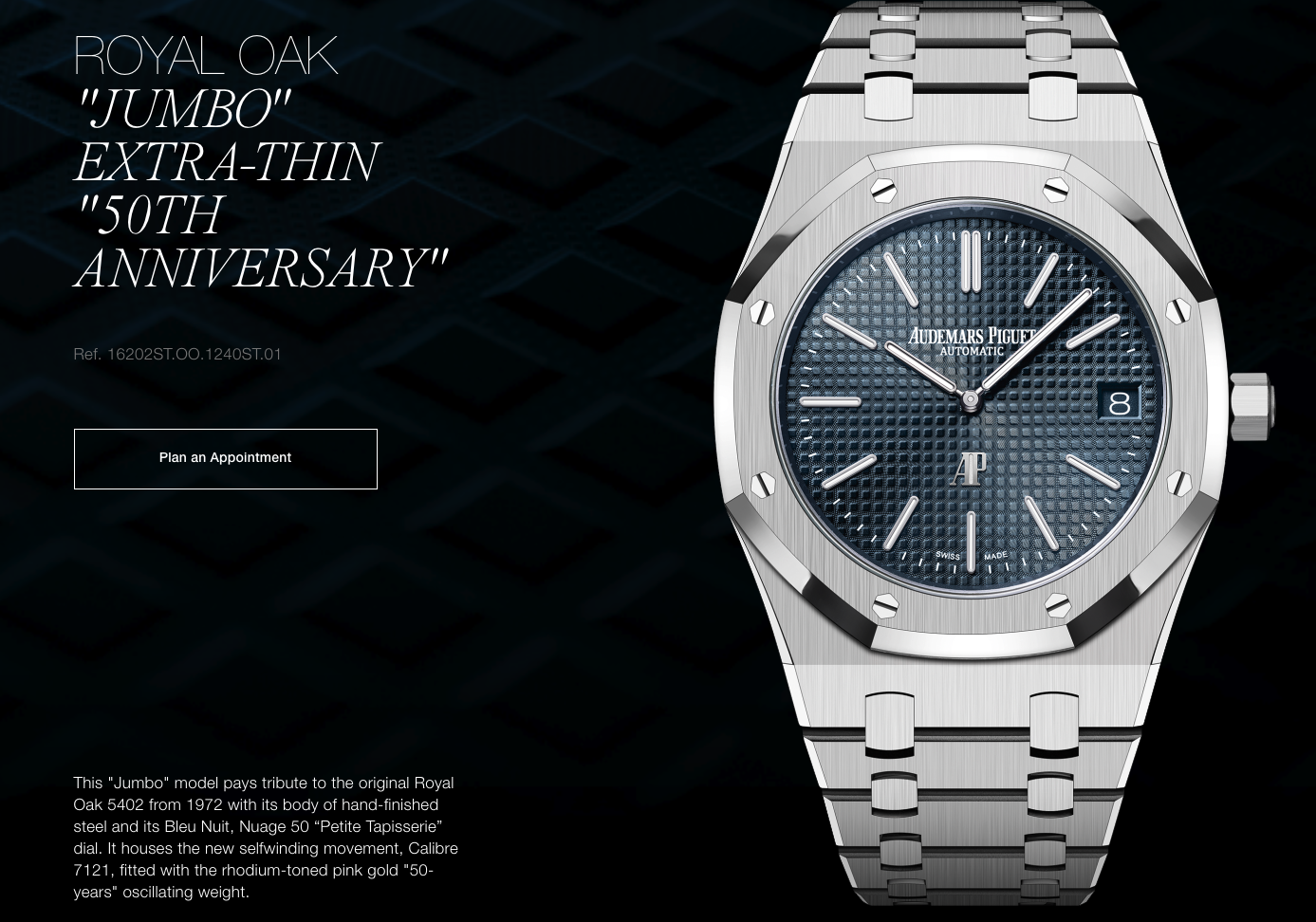
That’s ref. 16202ST.OO.1240ST.01 to you.
Mandelbaum’s proper, however solely to an extent. Whereas saying “Rolex 1675” may really feel like a particular watch, it may nonetheless conjure up a distinct picture for various individuals. Positive, it’s a classic GMT-Grasp, however is it metal or gold? Gilt or matte dial? What in regards to the bezel? On a strap or bracelet? A few of these particulars have solely develop into essential post-hoc – it’s laborious to think about too many individuals cared about pointed or sq. crown guards till comparatively lately – however that’s additionally the purpose. The brief reference quantity is a relic of a time when producers ordered elements from their suppliers after which blended and matched parts to see what may promote. For essentially the most half, it was individuals working with different individuals. All through the second half of the Twentieth century, computer systems turned extra concerned with each single hyperlink within the provide chain, and with that squeezed the inefficiencies, human component, and perhaps, a number of the allure out of watchmaking.
Immediately, each single hyperlink of a watch’s manufacturing is completely orchestrated and coded into computer systems, typically deliberate years upfront – from these lab-grown diamonds within the TAG Heuer Plasma to the advert you’re served up on Instagram. And reference numbers assist make all of it occur.
An Apart On People And Our Reminiscence Capability
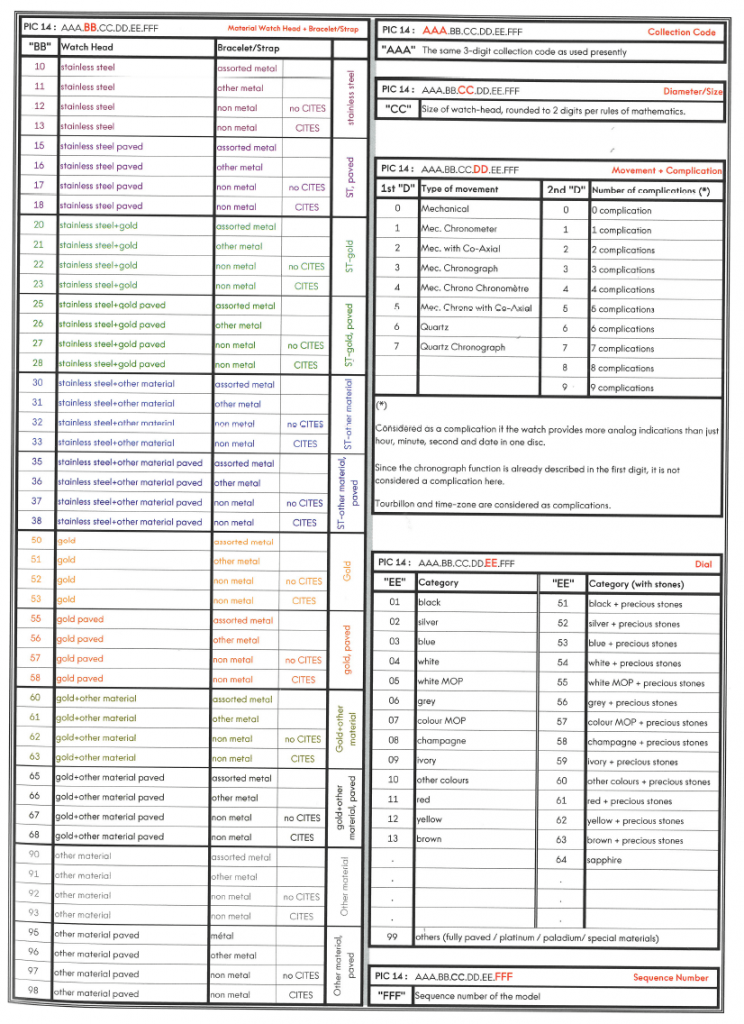
Simple to grasp, for a pc – Omega’s fashionable 14-digit PIC system.
There’s a big physique of analysis devoted to human reminiscence. In 1956, Harvard psychologist George Miller revealed a paper titled “The Magic Quantity Seven, Plus Or Minus Two” which noticed that the short-term reminiscence span of younger adults was correct in recalling on common seven gadgets or “chunks” of data. This means that these reference numbers from the ’70s and ’80s had been most likely reaching the bounds of our short-term cognitive capability: whereas a Speedmaster ref. ST 105.003-65 could be greater than seven characters, it’s additionally damaged down into 4 neat “chunks” of data that make it simpler for us to recollect, even over the brief time period. Analysis subsequent to Miller’s has recommended that our capability to recollect chunks of data truly tops out at about – you guessed it – 4 chunks of data.
Nevertheless it doesn’t take a physique of psychology analysis to inform me that it’s close to unimaginable to recollect a reference quantity with extra digits than jewels in its motion. Most manufacturers have submitted themselves to the pc takeover, with reference numbers which are too lengthy and sophisticated for their very own staff to recollect.
The center floor is to attempt what Rolex, Patek, and AP have completed: the bottom quantity stays just like a reference that’s been in use for years – virtually like a root – and the remainder of the data is hidden in numbers that most of the people doesn’t hassle with. The trendy Rolex six-digit system may check the bounds of our psychological capability, however it’s aided by the truth that it’s primarily based on decades-old references; I’m solely capable of bear in mind the trendy Explorer II reference quantity (226570) as a result of it’s primarily based off the identical reference from the ’80s (16570).
Actually, this strategy to reference numbers is just like the way in which these identical manufacturers strategy the precise merchandise: delicate modifications, tweaks, or additions through the years, however with a core DNA that’s instantly recognizable over generations.
Immediately, the reference quantity is extra like a line of pc code than an train in fast human recognition like the unique Patek 96. It has developed from a means for people to simply talk with one another in regards to the supplies and parts of a watch to a line of code in a database for computer systems to speak with one another to coordinate all elements of watch manufacturing.
The historical past of the reference quantity is admittedly the historical past of the wristwatch. At first of the Twentieth century, machines and industrialization allowed for the serial manufacturing of the watch. Producers started producing watches with interchangeable parts and wanted a straightforward option to reference these watches when talking with one another or with suppliers. And the trendy reference quantity was born.
All through the second half of the Twentieth century, computer systems and expertise turned extra instrumental to the manufacturing and manufacturing of watches, finally displacing lots of the human components of watchmaking. Within the ’60s, reference numbers turned methods for people to speak with computer systems and databases about watch manufacturing. By the tip of the Twentieth century, computer systems had been ubiquitous in all elements of watchmaking, enabling accuracy, effectivity, and manufacturing ranges that might’ve been unthinkable a number of many years prior.
Similar to computer systems have modified watchmaking and all the pieces else round us, they’ve additionally had their means with the reference quantity. And whereas we would bemoan the human components we misplaced alongside the way in which, the computer systems carry on coming.
However the human component isn’t fully misplaced. For instance, when Rexhep Rexhepi launched his Chronomètre Contemporain, it had a easy reference quantity: “RRCC01.”
